Q: Initially, what made you decide to study abroad? Why did you choose your programs?
A: Initially, I wanted to study abroad because my aunts and uncles who studied abroad shared how impactful their experiences abroad were. My main challenge was finding a country and program. Initially, I was looking into programs that aligned with my major, but then I changed my major so I had to restart my search for a program. That was when I found the Argentina and Chile Human Rights and Cultural Memory Program. Although it did not align with my major, it strongly interested me. I chose this program for the unique experience it offered, learning from firsthand accounts about human rights from countries that had experienced dictatorships not too long ago. I was also drawn to the fact that classes were taught in English and there was no prior language requirement. This allowed me to practice my Spanish without the pressure of taking all my classes in Spanish while adjusting to a new environment. One of the biggest things that stopped me from studying abroad sooner was that I was struggling to pick just one country to study in and this program gave me two. Making my choice that much easier.
Q: What was the highlight of your study abroad experience?
A: There were many highlights of my study abroad experience, making it difficult to choose just one. However, one that stuck with me was visiting memory sites in both Argentina and Chile.
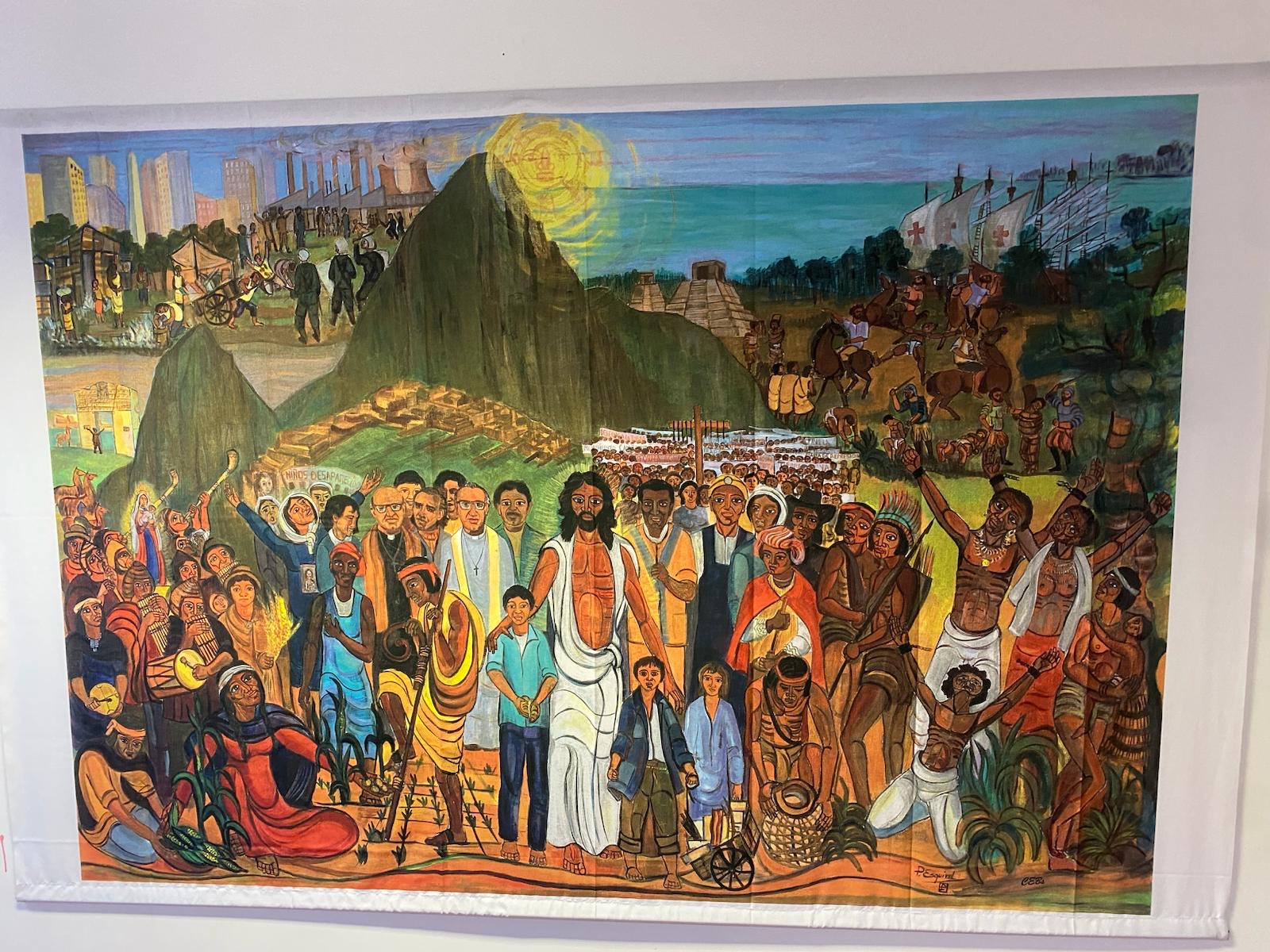
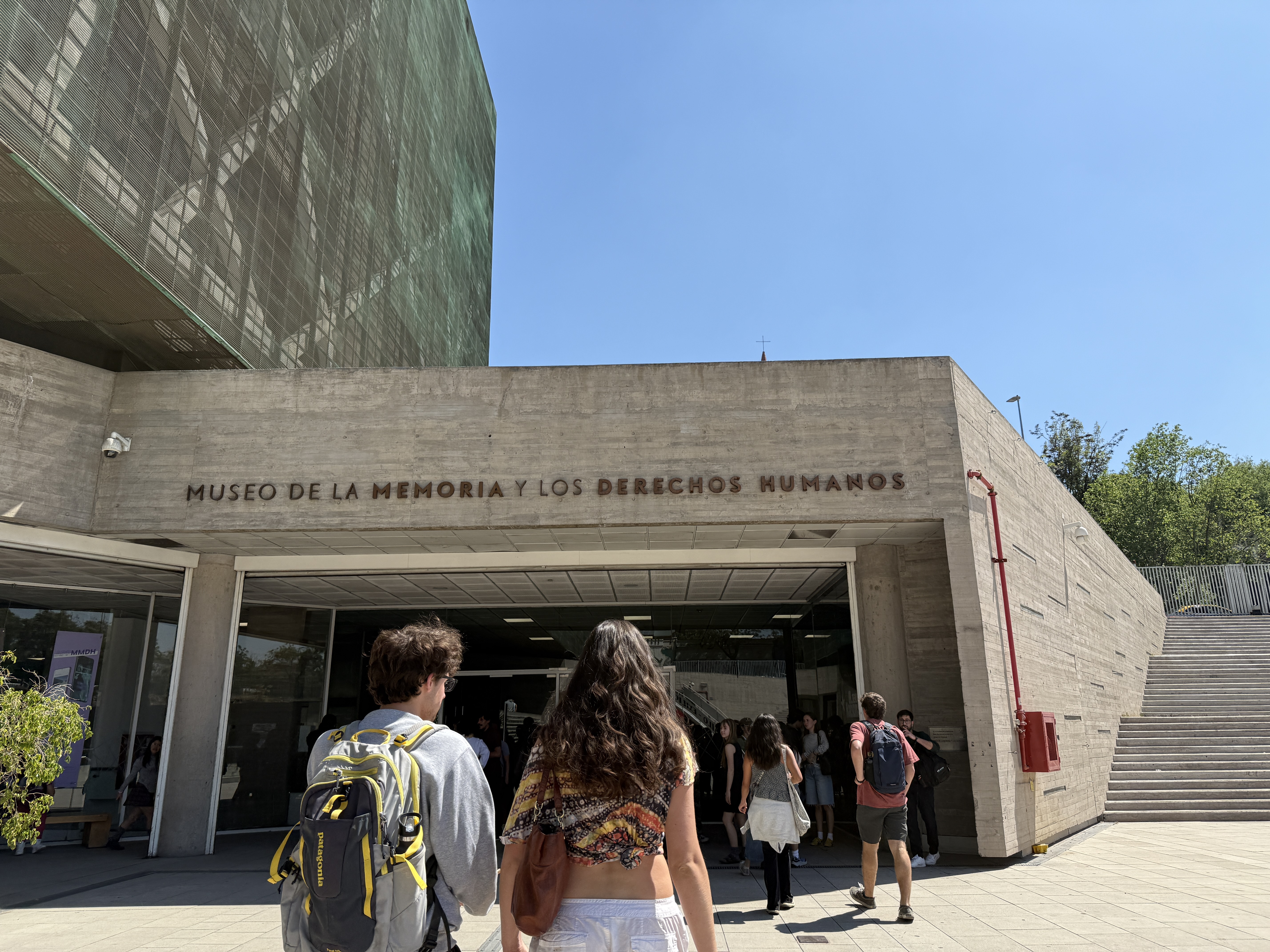
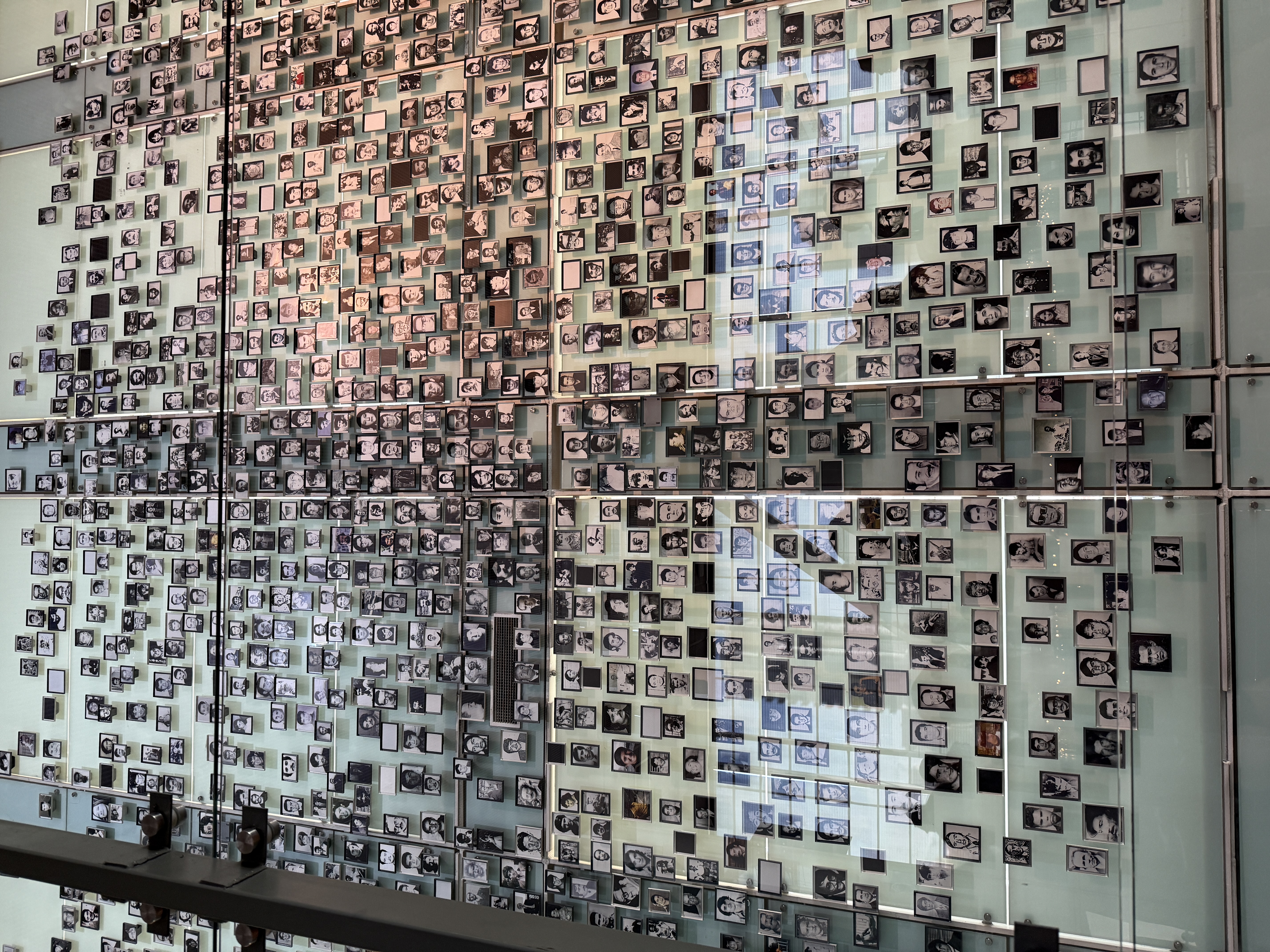
In both Argentina and Chile, we would have visits to memory sites, which were old clandestine centers that had been preserved and turned into Museums of Memory and hear from survivors of these detention centers. Though it was emotional hearing these stories it was so incredibly powerful especially because many of these survivors were sharing their story and pain in hopes of preventing history from repeating itself. Of the survivors we got to meet and hear share their story was Adolfo Pérez Esquivel, Argentine activist and Nobel Peace Prize recipient. He openly opposed the Argentine dictatorship despite the fear of being disappeared, he later was detained, tortured, and held without trial for 14 months. Hearing his story about how despite the danger he knew the importance of speaking out against the human rights violations that were occurring at the time, it was also a huge honor to hear, and to listen to him describe one of his paintings and how he incorporated social justice into it.
Q: What was your greatest challenge abroad and how did you overcome it?
A: My greatest challenge I faced while abroad was feeling isolated from others in my program because I was the only person from UC Merced and everyone already had others from their campus they could connect with. It was definitely hard initially feeling out of the loop especially because all of the other UC students in my program got to get to know the other people from their campus in the program. Though I struggled throughout my time with feeling isolated and just a little out of the loop, what helped me overcome this was to be constantly putting myself out there. My time abroad pushed me to be more outgoing and overall confident in myself. I felt my greatest challenge was the isolation I felt, as I had mentioned. But above all else I overcame this by continuing to push myself out of my comfort zone and meet people whether that be locals or even other international students I met. I pushed to also make and maintain these friendships with others in my program and those outside my program as well.
Q: How did your coursework abroad compare to your courses at UC Merced?
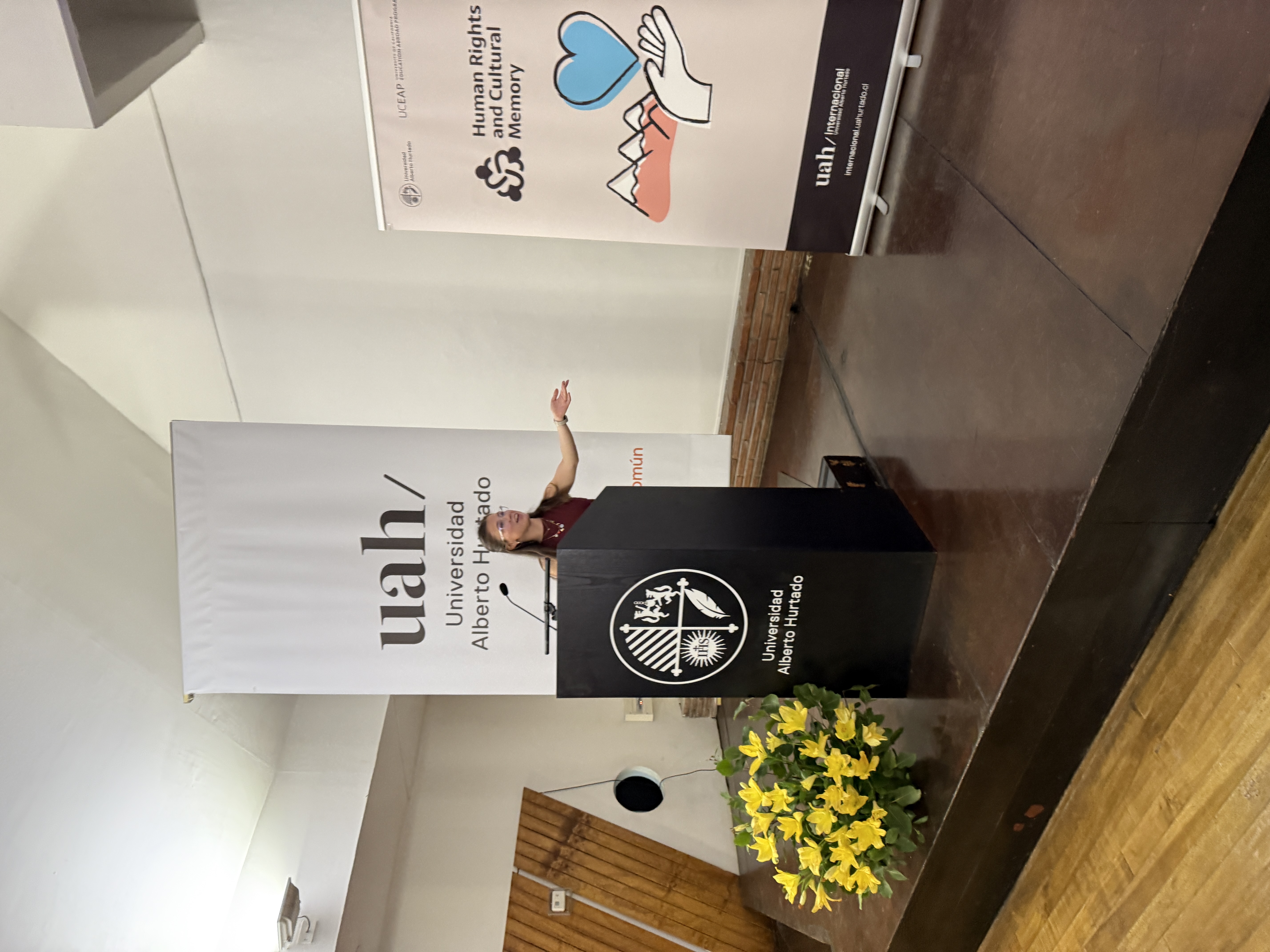
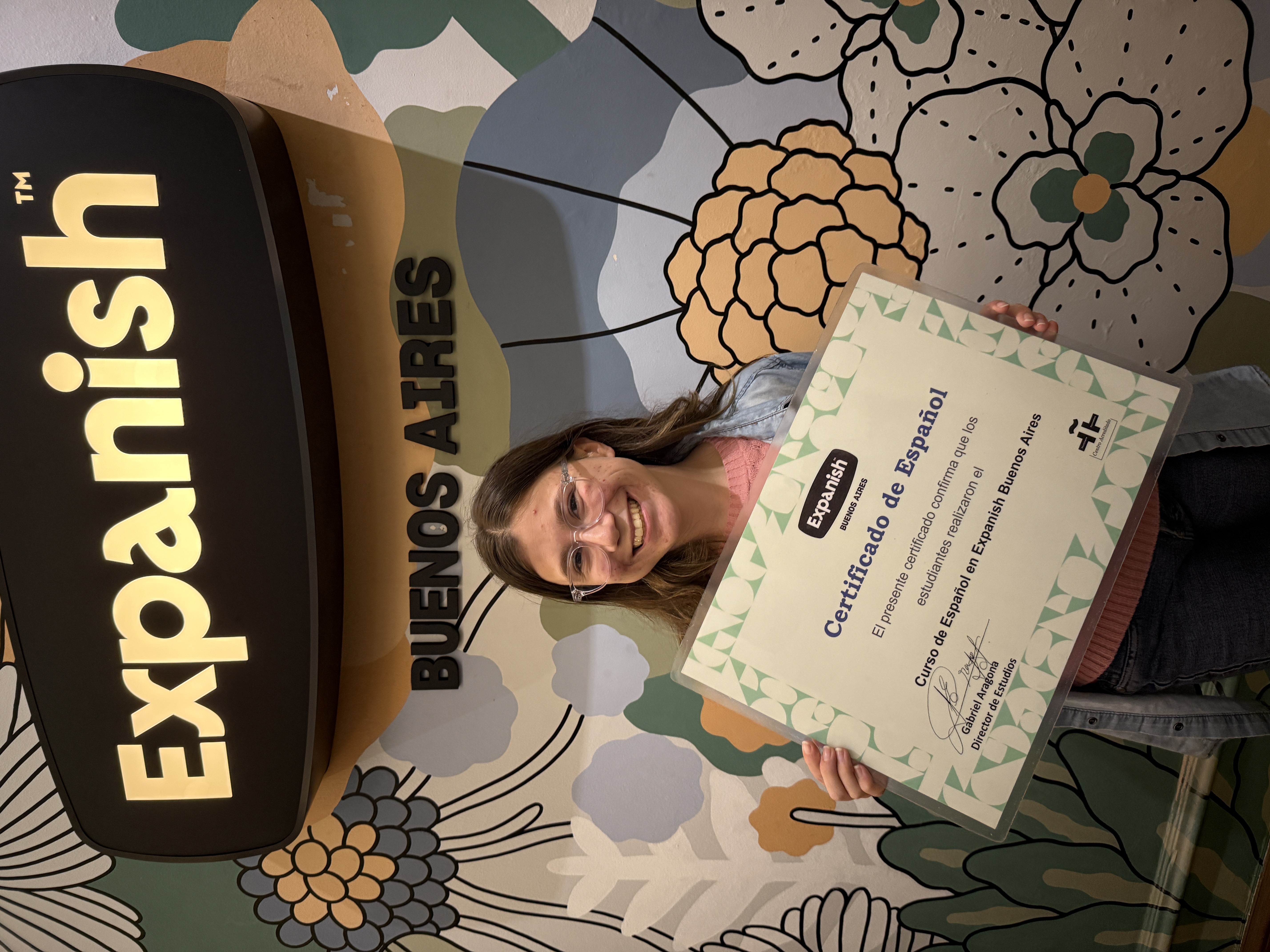
A: During the Human Rights and Cultural Memory: Argentina and Chile Program the coursework itself was similar to my Psychology and Sociology courses that I take at UC Merced. It consisted of homework readings that we would then discuss in class. In Argentina the courses were done in a unique way, we would have our two human rights and cultural memory classes at the University of Buenos Aires four days a week. However, what initially caught me off guard was instead of having both classes each day we alternated, having one Monday/Wednesday for 2 hours then we would get a break then it would be split into discussion sessions for the remainder of our class time. Then repeat with the second course on Tuesday/Thursday with the same class set up. One thing I found unique at the University of Buenos Aires or UBA was that it was really cool that on top of our normal courses we would have activists and survivors of the most recent regime come in and share their stories with our class. In Buenos Aires every Friday we had a Spanish Language course at the Expanish Language learning school. I will say this was very different from any language course I had taken before. The first two weeks in the country we had extensive language courses everyday of the week then transitioned to once a week intensive Spanish lessons. In Chile I would say my courses were more similar to the course set up I am used to at UC Merced. We had both courses Monday-Thursday and both courses we had two professors so it would alternate which professor we had each day. But we had both courses every single day. With it being a Human Rights and Cultural Memory Program we also had several Museum and memory site visits with one of our professors and other students from Universidad Alberto Hertado who volunteered to help show us around.
Q: What did you gain from your study abroad experience?
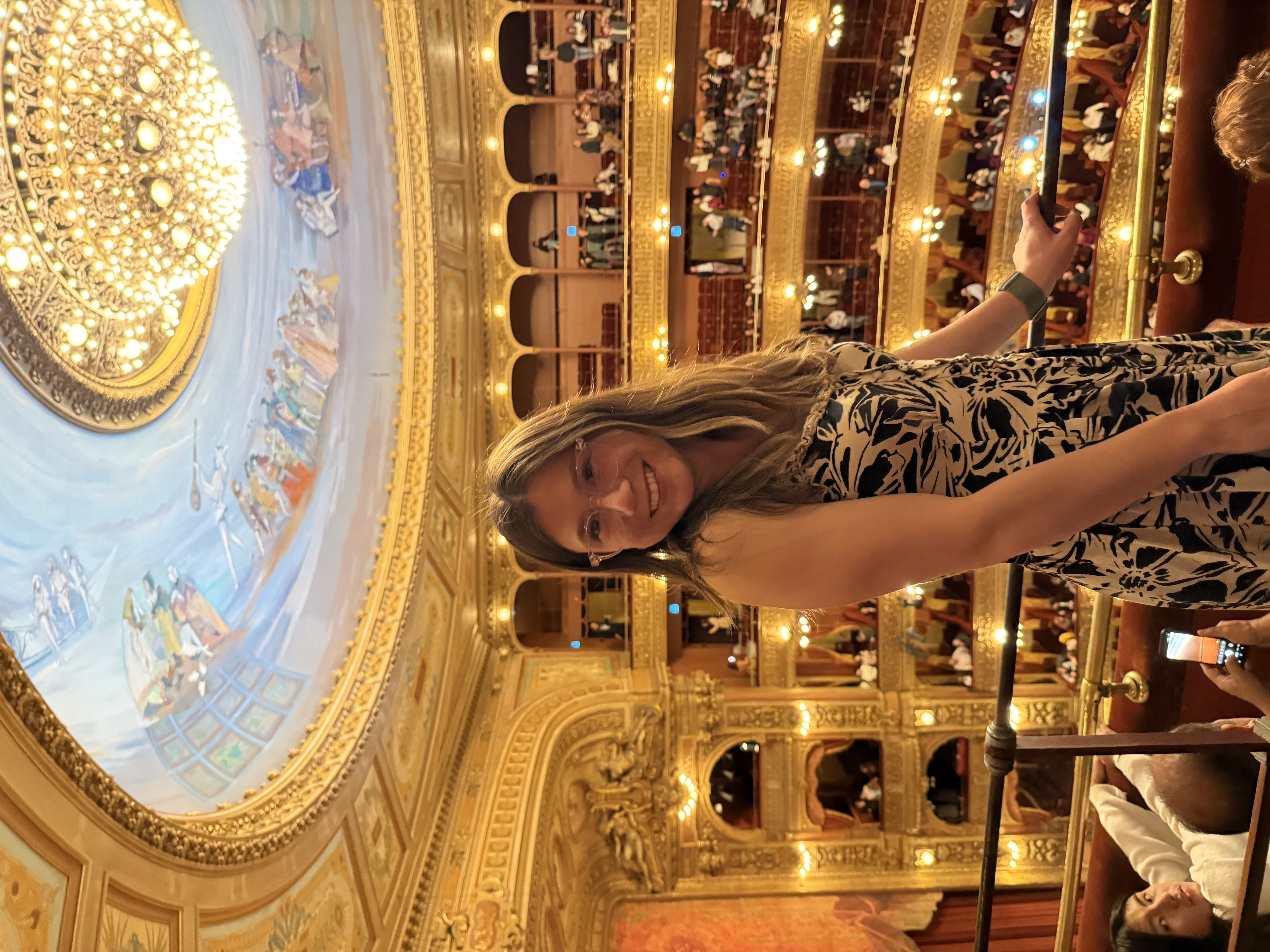
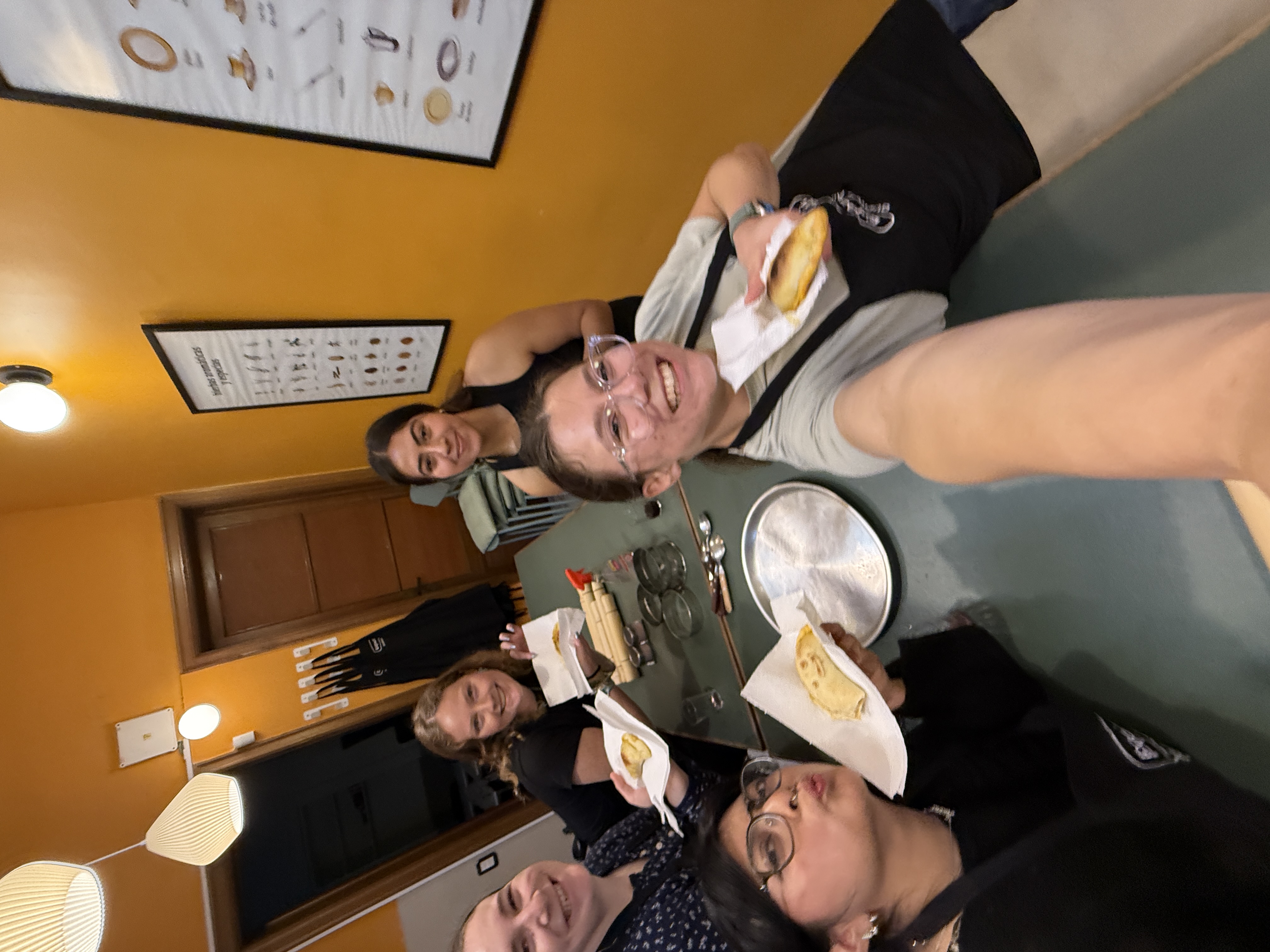
A: I gained a lot from my study abroad experience. I learned to put myself more out there and gained a greater confidence in myself that I previously did not have. I also gained life long friends from both students who were a part of my program and students I met outside of my program. I also gained a wealth of knowledge about the atrocities that were committed during the Argentinian and Chilean military juntas, and I learned about the small acts of comfort detainees would grant one another even in their darkest hours. I also gained more Spanish speaking skills during my time abroad. I was lucky enough to have many cultural experiences in the countries I studied from learning to make empanadas to attending the ballet and opera.
Q: What advice do you have for students considering study abroad?
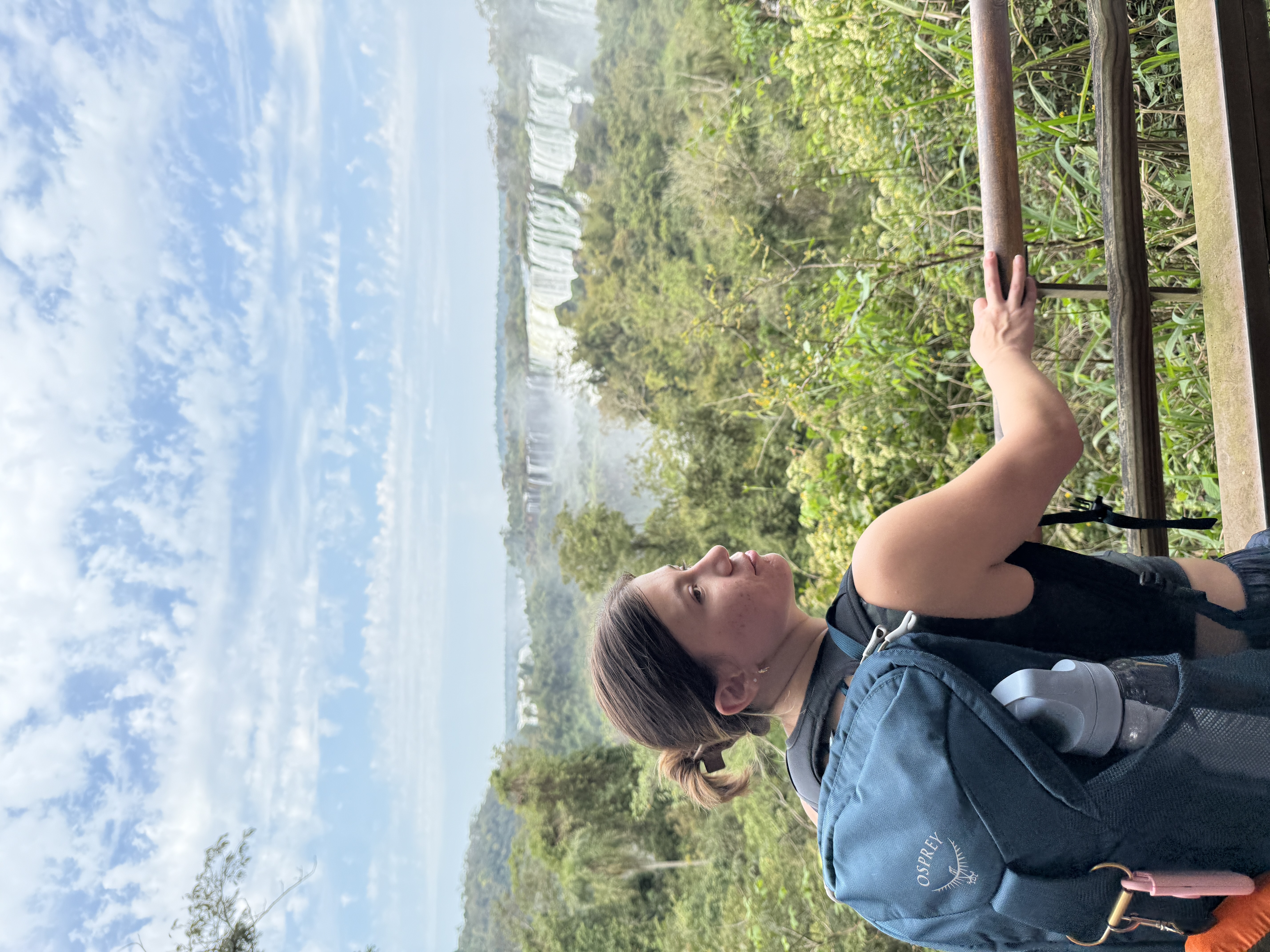
A: For any student considering studying abroad, I would tell them to just do it! It honestly changed my life, and was worth all the anxiety, stress, and uncertainty leading up to it. Some advice I wish I had listened to from the start would be to say yes to everything. You never know who you will meet or what life long memories you will make if you don’t let fear stop you. There were many times that I talked myself out of certain experiences because I was worried the timing wasn’t right or I was too nervous and I have lived to regret it, so I recommend that when at all possible say yes so you don’t have regrets later on. Study Abroad is as much about you growing as a person as it is about your education. I would also say that if you have a free weekend traveling to nearby places with people in your program creates both the best memories and a great bonding experience. That is something I am glad I was able to do during my time abroad.
Q: What do you wish you learned about studying abroad before you left for your program?
A: Prior to studying abroad, I wish I had learned more about the program and potentially had gotten to talk to other students who had previously participated in my program because looking back at it I came in very blindsided. I also wish we were provided with a sample packing list of recommend things to pack for our program, I was able to reference the UCEAP packing list but when packing I didn’t full take into account that we would be experiencing such different weather both during the time of year and how it differed in both countries. Lastly, one thing I wish was clarified when I applied was that while a subway card is initially filled but you are required to refill it, and if you live farther away like I did you had to transfer from bus to subte, or to another bus and all those transfers add up quickly. However, overall, it was 100% worth it. It was also just a learning curve and having to fill up my sube card more often than others in my program.
Q: Describe a typical day abroad.
A: A typical day abroad for me differed a little in each country.
In Argentina, it began with me waking up in the morning about an hour and a half- 2 hours before school, a quick piece of toast and tea in the morning before I hopped on the bus (collectivo) with the other girl in my program staying with my host family. We then would transfer from the collectivo to the Subte(subway) and take that to Universidad de Buenos Aires, Facultad Sociales (UBA). After our classes most days we would either eat lunch at the UBA cafeteria where most of their produce was grown in the school garden, or my classmates and I would go find a local restaurant near the campus to try out for lunch. Some days in the afternoon we would do a cultural activity and this would be either a museum visit, listening to a panel, or guided city tours. On days we had free afternoons I would explore Buenos Aires with my classmates and find a coffee shop to study at or explore the city. As the semester continued I would also head to Expanish Language Learning School in the afternoons to study and catch up with the staff and other students and have a marienda, late afternoon snack. Expanish also hosted optional activities such as museum tours, dance lessons, and even cooking workshops so any days those were available I would take advantage. At the end of my day, I would return to my homestay before 8:30pm and between 8:30-9pm we sat down to dinner catching up with my host mom, and the other student who lived with us.
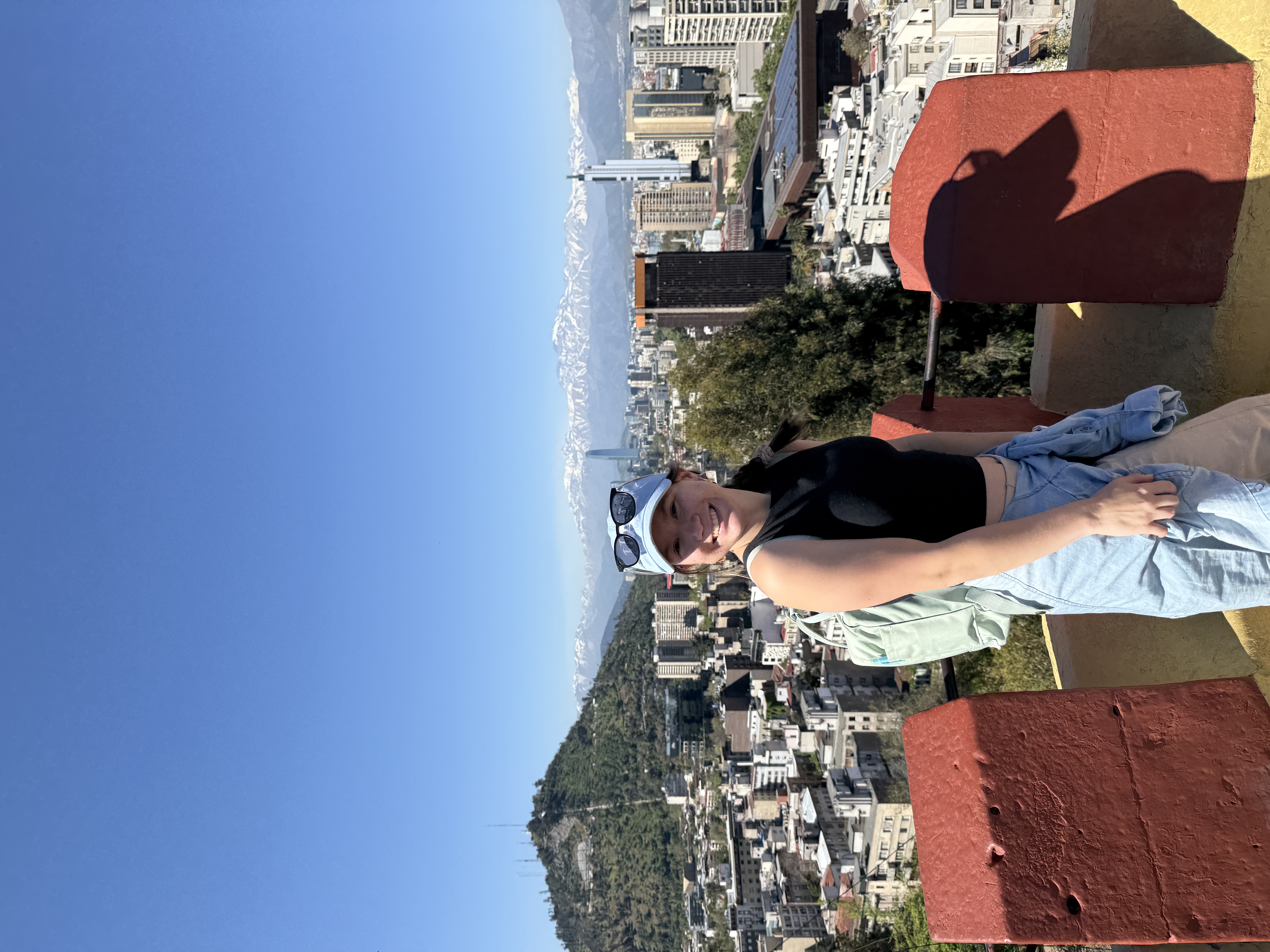
In Santiago, Chile my typical day began bright and early, 8 am where my host family and I would sit down for family breakfast each morning, enjoying our food and talking about our plans for the day. After breakfast it was time to get dressed for the day and prepare for classes. Then around 9:15 my host sister, another girl in my program at my homestay, and I would walk to the bus stop and hop on the bus (micro). On Mondays and Wednesdays we were at the main campus of Universidad Alberto Hertado, so on those days the micro would drop us off right outside one of the campus entrances. On Tuesdays and Thursdays we were at Universidad Alberto Hertado Campus B-Los Leones which was in the other direction, so my roommate and I would hop on different micro, and then transfer micros again and we would also be dropped off right in front of the entrance to Campus B. Since Campus B was a smaller campus we often would be the only students in the building. As I mentioned earlier, in Santiago, our program was split into two classes, I was in class A, and the remainder of the program was in another room. Instead of having one class on Monday, Wednesday and another Tuesday, Thursday we had both classes for a shorter amount of time Monday-Thursday but we alternated between the two teachers for each class depending on the day.
Q: If you could go anywhere in the world tomorrow, where would you go and why?
A: When thinking about the question, if I could go anywhere in the world tomorrow I would want to go back to South America, especially to Chile. For me it was life changing to have lived in two countries and explore other countries as well. I would love to explore more of Chile, it’s such a beautiful vast country and in the 6 weeks I was there I just barely scratched the surface. I would love to visit Patagonia and see Torres del Paine, and Punta Arenas as that is one place I wished I could have gone to but just didn’t have enough time. Santiago, the Atacama Desert and Valparaiso, were
so beautiful and I can’t wait to explore more of Chile.