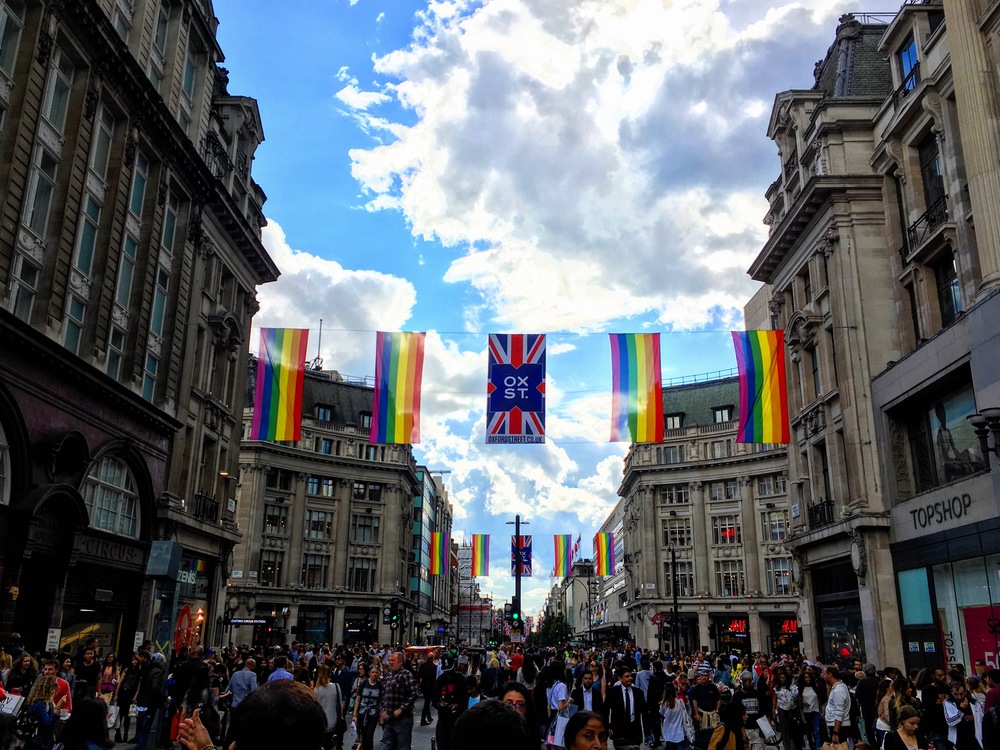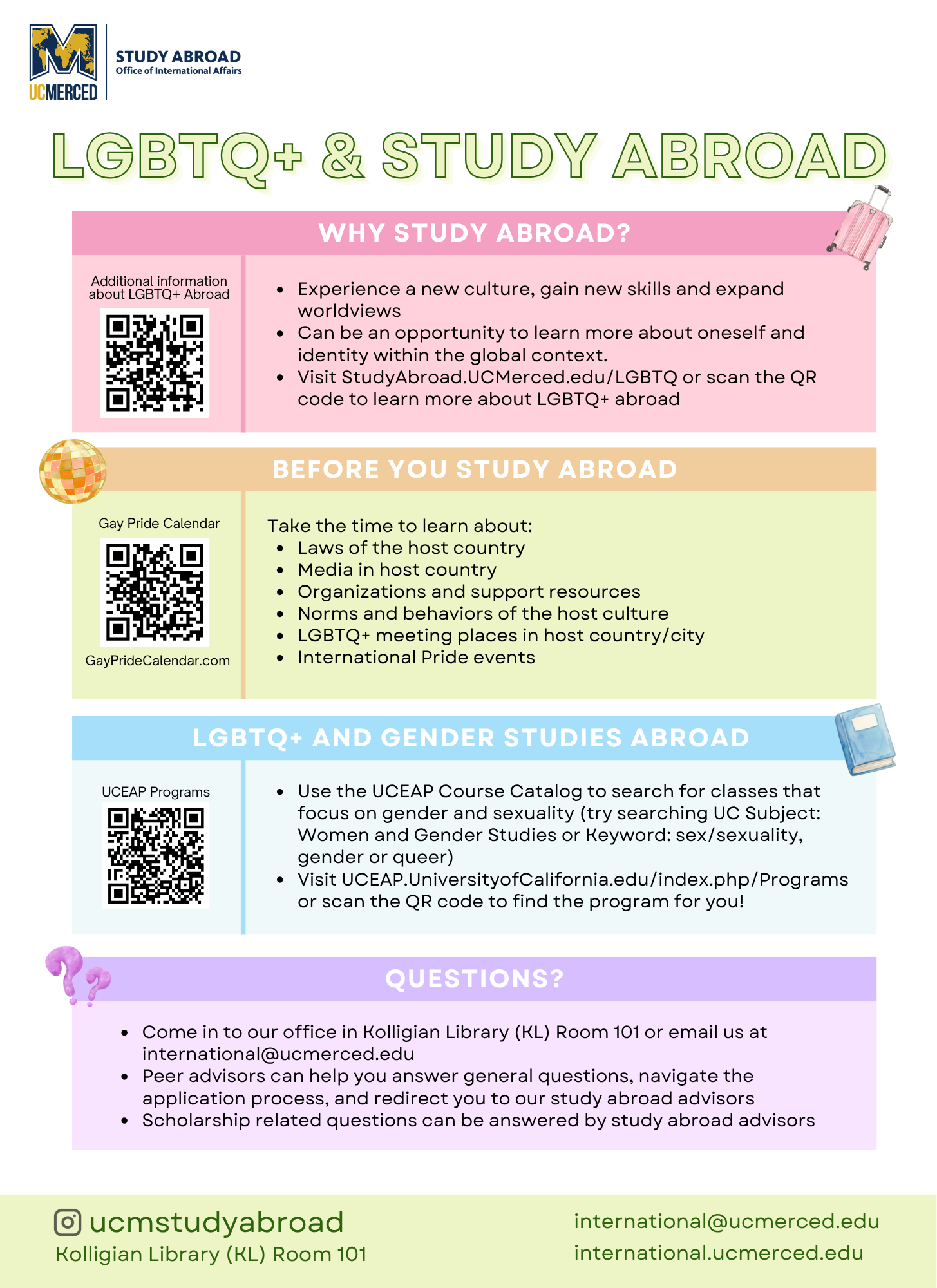
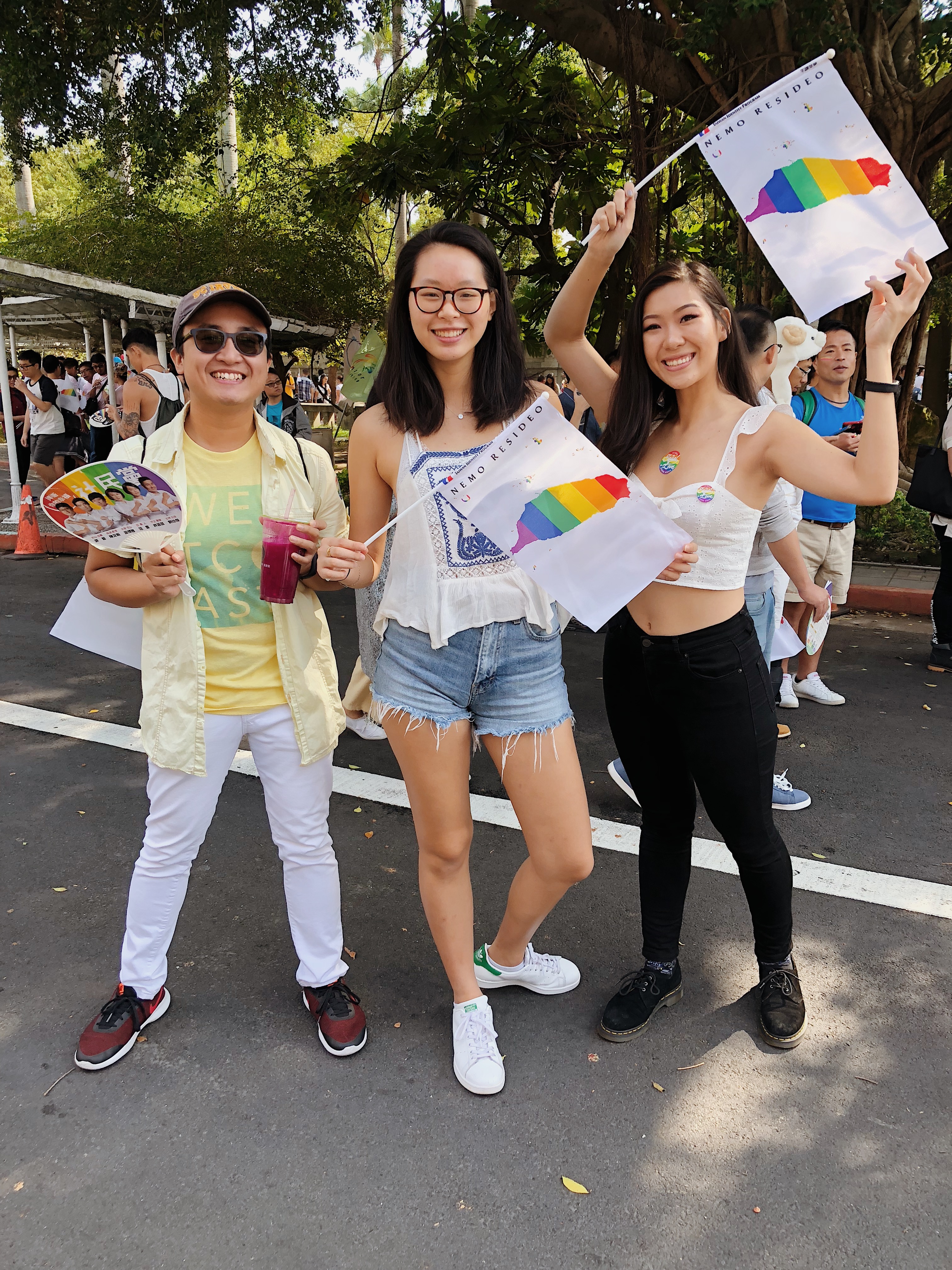
Studying abroad is an opportunity for all students to experience a new culture, gain new skills, and expand their world views. For the LGBTQ+ community, studying abroad can be an opportunity to learn more about themselves and their identity within the global context. The Office of International Affairs at UC Merced recognizes that the LGBTQ+ community faces a unique set of challenges and we are committed to providing our students with the best possible study abroad experience.
2026 OIA LGBTQ+ Study Abroad Brochure
Before You Apply to Study Abroad
Take the time to learn about:
- Laws of the host country
- LGBTQ+ media in host country
- LGBTQ+ organizations and support resources in host country
- General attitudes towards LGBTQ+ individuals in host country
- Norms and behaviors of the host culture
- LGBTQ+ meeting places in host country/city
Use the following resources to research your country of interest:
- OutRight International Country-specific guide
- Human Rights Country Watch Profiles
- EQUALDEX - Explore LGBTQ+ Rights Around the World
- Human Dignity Trust - Map of Jurisdictions that Criminalise LGBT People
- iLGA: International Lesbian, Gay, Bisexual, Trans and Intersex Association
- iLGA World Database
- IGLTA: International Gay and Lesbian Travel Association
- Global Gayz
- IES Abroad Country-Specific resources
- NAFSA Rainbow Special Interest Group resources
- IFSA Butler Identiy Resources and LGBTQ+ Student Stories
UC Merced Testimonials
UCEAP Countries and Tolerance Levels
UCEAP urges all participants to obey the laws of the host country, and respect and abide by local cultural norms. Before selecting a country, be well acquainted with host country laws and tolerance levels. Consider how a potential host country defines and views interpersonal relationships and what it views as appropriate behaviors.
2023 LGBTQ+ Study Abroad Destination Country Safety Scores
Below is a series of visualizations of common study abroad destinations for UC Merced students with Asher & Lyric's comprehensive “LGBTQ+ Travel Safety Index” country scores. Scores range from a high of 383 for Canada to -200 for Brunei (or -95 for Egypt when we consider only frequent study abroad destinations). Please note that local safety considerations vary widely beyond a single numerical national score.
World Map
Asia Close Up
Europe Close Up
UCEAP Countries by Risk Level
Minimal Risk Countries for Study Abroad
| Argentina |
| Belgium |
| Canada |
| Costa Rica |
| Czech Republic |
| Denmark |
| Germany |
| Ireland |
| Netherlands |
| New Zealand |
| Norway |
| Spain |
| Sweden |
| Switzerland |
| United Kingdom |
Low Risk Countries for Study Abroad
| Australia |
| Chile |
| France |
| Hungary |
| Israel |
| Italy |
| Japan |
| Mexico |
| Thailand |
| Taiwan |
Moderate Risk Countries for Study Abroad
| Brazil |
| China |
| Cyprus |
| Dominican Republic |
| India |
| Korea, Republic of |
| Singapore |
| Solomon Islands |
| South Africa |
| Taiwan |
| Turkey |
| Vietnam |
High Risk Countries for Study Abroad
| Barbados |
| Botswana |
| Egypt |
| Ghana |
| Indonesia |
| Jordan |
| Morocco |
| Russia |
| Senegal |
| Tanzania |
*Tolerance levels reflect information as of March, 2019.
Identity and Safety Abroad
Understanding the implications of expressing an LGBTQ+ identity abroad is important for all students to know. Although coming out may be an empowering experience, it can also be uncomfortable or even unsafe for students and those around them. Concepts of identity and the way in which LGBTQ+ individuals are perceived not only vary from country to country but even between regions within the same country. Researching your host country before going abroad will help mitigate risks. Though once abroad, it is recommended that students reevaluate the local LGBTQ+ tolerance levels before coming out. As part of the study abroad experience, students learn to adapt to their new environment by observing local manners and behaviors of their host culture. LGBTQ+ students should exercise the same caution.
Additional Resources
- Befrienders Worldwide
- American International Group (AIG) Travel Guard - LGBTQ+ Travel Safety
- Sexual and Gender Expression Abroad
- 5 Tips to Incorporate Your Identity Into the Study Abroad Experience
- Asia Pacific Transgender Network
- The Trevor Project
TIP: Once abroad, find people you can be open with and seek out local LGBTQ+ communities.
LGBTQ+ and Gender Studies Abroad
You can use the UCEAP Course Catalog to search for classes that focus on gender and sexuality (try searching UC Subject: Women and Gender Studies or Keyword: sex/sexuality, gender or queer). Past UC students have taken such courses in Argentina, Australia, Barbados, Denmark, France, Germany, Ghana, Hong Kong, Ireland, Japan, Mexico, Netherlands, New Zealand, Singapore, South Africa, Spain, Sweden, Thailand and the UK. However, please be aware that even though a program in a certain country may offer classes focusing on Gender or LGBTQ+ studies this does not necessarily reflect attitudes of the local community. Make sure you thoroughly research your program before making a choice.
Scholarships for LGBTQ+ Students
Travel Tips
Most LGBTQ+ travelers do not encounter problems while abroad but it helps being prepared and informed about your destination before you go. The following resources provide LGBTQ+ individuals with answers to frequently asked questions, tips on mitigating risk and other useful links.
- Gay & Lesbian Travel Information - U.S. Department of State
- Airport Security - Advocates for Trans Equality
Passport
For information concerning name changes or gender marker changes on state and federal IDs, refer to the Advocates for Trans Equality website. Passport updates can be found on the Know Your Rights: Passport page.
As of January 22, 2025, the gender X option has been suspended for all new U.S passports as the result of a Presidential Executive Order. For the foreseeable future, passports will only be issued with a M or F sex marker that matches biological sex at birth.
Students that need a passport should consult the U.S. Department State for current application information. To apply for a passport, most students will use the DS-11 form and should be prepared to provide supporting documentation that includes:
- ID that resembles your current appearance
- Passport photo that resembles your current appearance
- Proof of legal name change (if applicable)
Air Travel
The Advocates for Trans Equality have identified specific obstacles transgender people might face at the airport and how to work through them. Refer to the Know Your Rights: Airport Security page for more information.
NCTE also offers tips on how to get through TSA with resources like the notification card, which is a standardized card offered by TSA wherein one can discretely disclose a health or medically related circumstance to an agent, as well as requesting assistance from a Passenger Support Specialist during check in by calling TSA Cares 72 hours before checking in. For more information visit the TSA website for Transgender Passengers and Know Your Rights: Airport Security.
Additional Resources
- GoAbroad.com LGBTQI Student Guide to Study Abroad
- DailyXtra
- Gay Pride Calendar
- OutRight Action International
- Out Traveler
Contact Us
Office of International Affairs
Kolligian Library, Room 101
Phone: 209-228-4722
Email: international@ucmerced.edu
LGBTQ+ Pride Center
Office of Social Justice Initiatives & Identity Programs
Phone: 209-228-2250
Email: pridecenter@ucmerced.edu
Website: LGBTQ+ Pride Center
Lambda Alliance
Email: lambdaalliance@ucmerced.edu
Facebook: Lambda Alliance at UC Merced
**Material adapted from University of California, Santa Cruz, UC Education Abroad Program, Department of State, Advocates for Trans Equality, NAFSA Rainbow SIG, and ILGA **